Art gives children a way to share their feelings, and a safe, structured environment can help them feel more comfortable expressing themselves. Whether through art lessons at school or creative projects at home, kids can use art to show what they’re thinking and feeling. Here are some practical tips for parents and educators to encourage emotional growth and self-expression in school-aged children.
Effective Strategies for Helping Children Express Emotion Through Art
Art isn’t just a fun activity—it’s a vital tool that can strengthen skills like emotional expression. When a child creates, they gain a sense of control over their emotions, allowing them to communicate more clearly and constructively. Below we share some practical tips for parents and teachers to help children explore their feelings and become more emotionally resilient.
Create a Safe & Supportive Environment
Children need a safe, nurturing environment to feel comfortable expressing themselves through art. Providing a space free of distraction and judgment allows children to explore their feelings more freely. Whether it’s a dedicated space at home or a quiet area in the classroom, a calm setting fosters creativity and emotional expression. A relaxed and supportive atmosphere provides space for children to engage with their artwork and share their feelings.
Encourage Open-Ended Art Activities
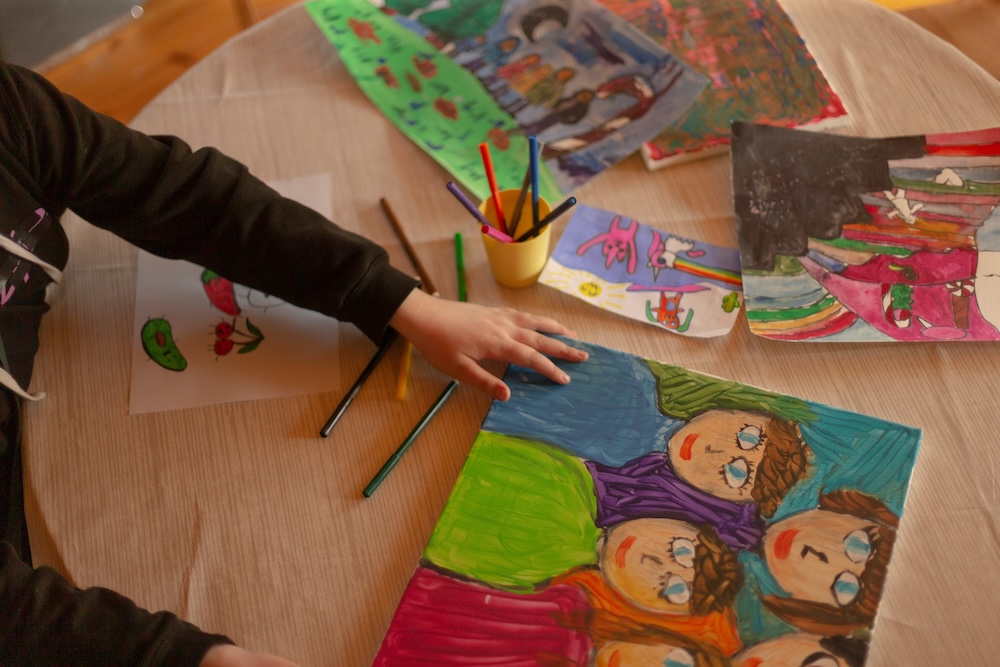
Open-ended art activities give children the freedom to express themselves without restrictions. Rather than assigning specific projects or having certain expectations, let kids create whatever comes to mind. This allows children to use art to process their feelings naturally. Painting, drawing and sculpting are examples of art activities that provide a platform for self-expression and emotional release.
Foster Emotional Awareness Through Art
Help children recognize and articulate their emotions through art. Ask questions about their artwork, such as “How were you feeling when you painted this picture?” or “What emotions do you think this drawing shows?” Asking simple questions such as these encourages young artists to connect creative expression with emotions and become more aware of their feelings. When school-aged children express themselves creatively, they become more emotionally intelligent.
Incorporate Art Into Daily Life
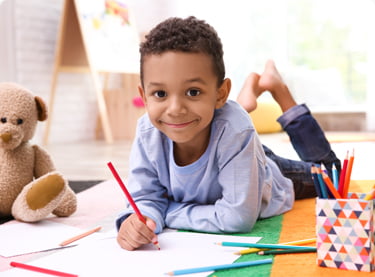
Integrating simple art activities into everyday life provides continuous opportunities for emotional expression. Provide children with art supplies and encourage them to interact with these materials during quiet moments, or to use them to share about their day. When art becomes a regular part of their routine, children are more likely to use it as a tool for emotional exploration and expression.
Encourage Emotional Growth With Structured Art Lessons
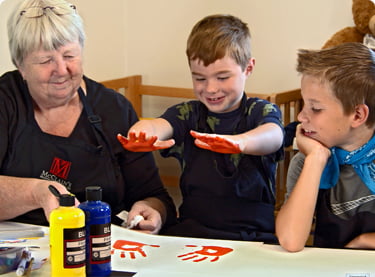
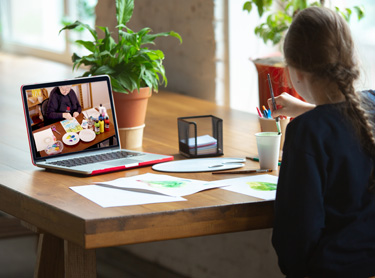
While spontaneous art activities are valuable, structured art lessons are also beneficial for encouraging emotional development. In focused, guided settings, children can explore their feelings in ways that encourage emotional insight and creative expression. Through structured lessons, children can acquire technical art experience and gain the skills needed to deal with their feelings more effectively.
Explore Art Projects That Inspire Emotional Expression
Creative activities provide children with the freedom to express their creativity and develop essential skills, such as emotional understanding. At Golden Road Arts, we offer a variety of engaging art lessons and resources that make art enjoyable for kids of all ages. Call (503) 718-7097 or browse our free art lessons today.