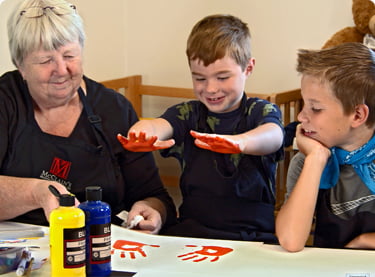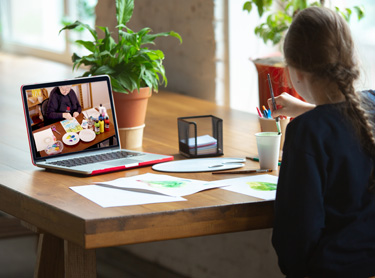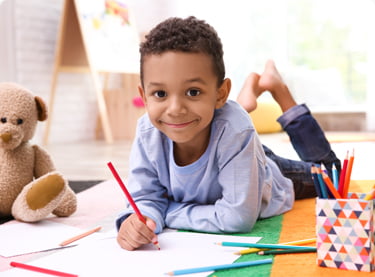
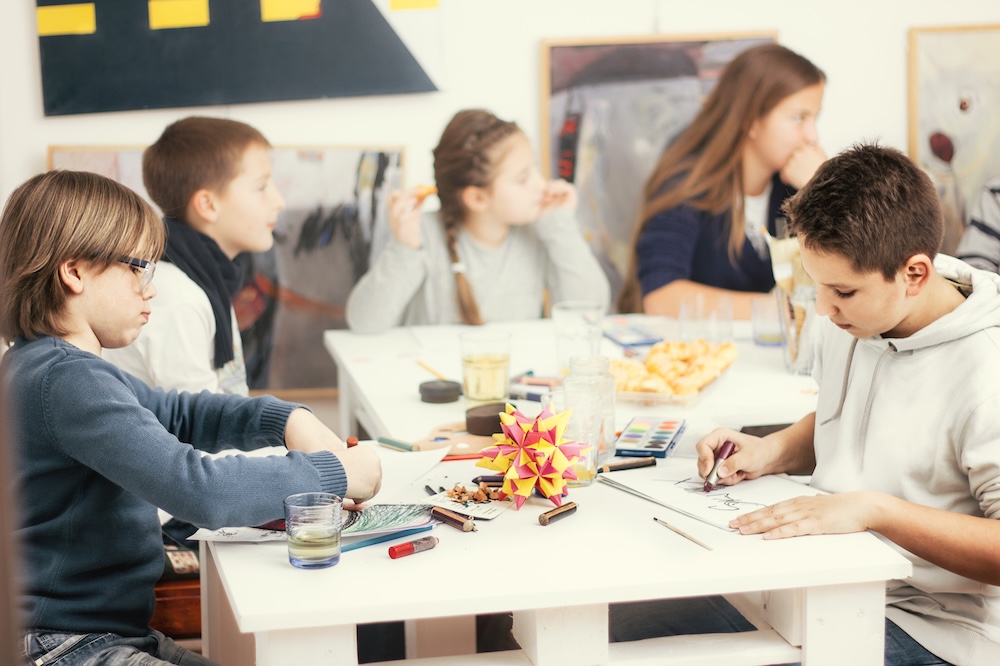
When children are engaged in art, each line they draw and brushstroke they make encourages them to slow down, pay attention to details, and see the world from a new perspective. Incorporating art lessons into the classroom is a great way to inspire creativity, boost confidence, and encourage critical thinking in young learners.
From noticing different colors to recognizing patterns, each art project helps children sharpen their observational skills and pay attention to detail. The critical thinking skills that children acquire through art often remain with them for the rest of their lives.
4 Ways Art Strengthens Children’s Observational Skills
From van Gogh’s Starry Night to The Ballet Class by Degas, observation is at the heart of every great work of art. Like famous artists, when children draw, paint or create other forms of artwork, they observe their surroundings and recognize details they may otherwise overlook. The more they create, the more their observational skills are strengthened both inside and outside the classroom.
1. Helps Children Understand the World Around Them
Before any artist can bring an idea to life, they must observe. When children examine details such as colors, lines, shapes and proportions, they gain a better understanding of and appreciation for the world around them. Careful observation allows children to develop a stronger sense of awareness and encourages them to approach the world with greater curiosity and wonder. The process of creating art boosts focus, strengthens visual awareness and enhances attention to detail.
2. Strengthens Focus and Patience
In a fast-paced world filled with constant distractions, children need the opportunity to slow down and focus on what’s in front of them, and art allows them to do just that. As they observe their subject their concentration will improve, they become more attentive and develop patience. Whether they’re examining a real-world subject or crafting an original piece, children learn that careful observation is a vital aspect of the creative process, as well as a fundamental part of everyday life.
3. Encourages Creative Thinking and Problem-Solving
Observation and creativity go hand-in-hand. When elementary children are creating art in the classroom, they need to examine objects and determine the best way to represent what they see in their own unique way. This process encourages students to think critically, make connections and find creative solutions. It also boosts their ability to observe and interpret information. These skills help kids become more confident thinkers and engaged learners.
4. Teaches Children That Details Matter
Delving into creative projects teaches children that the minor details are just as important as major factors. Art inspires young participants to develop an appreciation for all the elements that bring an idea to fruition. Whether capturing texture in a collage, mixing colors in a painting or adding more depth to a drawing, through art, kids learn how to carefully observe their work and make intentional creative choices. These experiences highlight the value of art activities for children, as they help students learn to observe and think more deeply about the world they live in.
Give Kids the Skills to See the World Differently
Art is more than a creative outlet for children. It teaches them how to concentrate, sparks their curiosity, and encourages them to see the world in a more nuanced way. Golden Road Arts provides free art resources that inspire creative expression in kids. Browse our free art lessons or call us at (503) 718-7097 today.